| |
Natural Agriculture is a way of farming based on a deep respect and regard for nature. It puts us in touch with the natural forces so that we can work in harmony and partnership with nature. Although it begins with the growing of crops, Nature Agriculture is a philosophy and way of life, encompassing the way we eat, cook and think about food. It is practiced by farmers and consumers alike, by individuals as well as whole communities. Natural Agriculture is not just a set of actions or techniques, it is a way of interacting with the earth and our environment, brought to life through our relationship with food. Continue ...
|
|
|
|
| |
Natural Agriculture
Farm Fellowship Program |
|
| |
 |
|
Q&A Interview
and photo gallery.
Continue... |
|
| |
 |
|
| |
Kominka - Traditional Japanese House |
|
| |
 |
|
The house and the people live together. Continue.... |
|
| |
|
|
| |
Shumei Consumer Supported
Agriculture (CSA) |
|
| |
 |
|
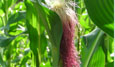
Agriculture allows us to reconnect with nature. Continue... |
|
|